
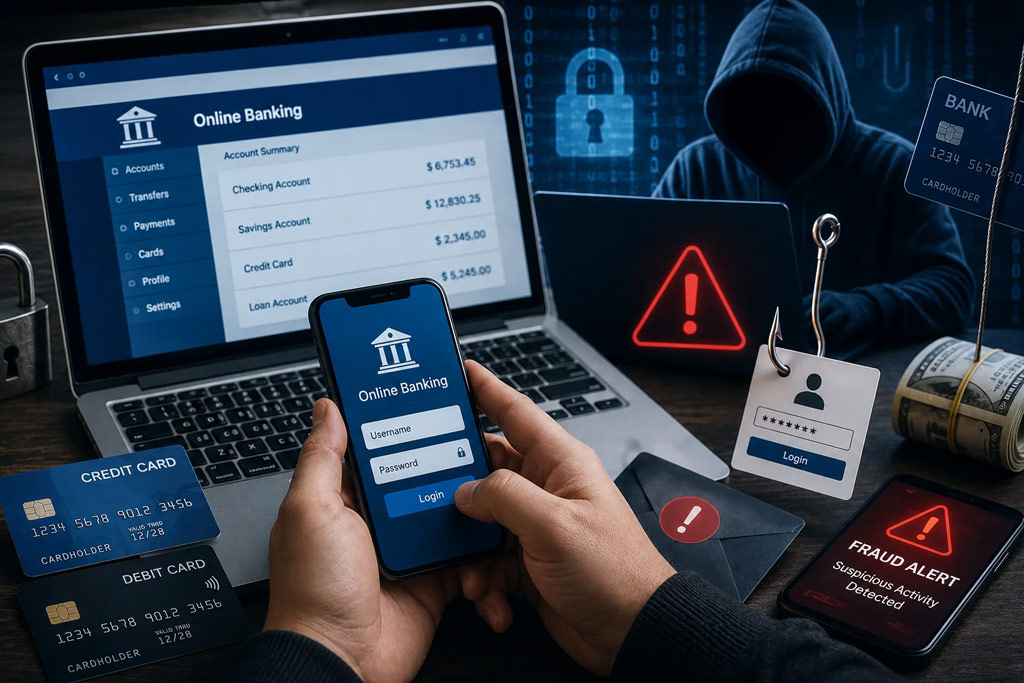
Online Financial Fraud
Lost money through an online financial scam, unauthorized transfer, impersonation scheme, or fraudulent payment request? Global Recovery helps victims understand what happened, organize critical evidence, and identify potential options based on the circumstances of their case.
Online financial fraud can take many forms. Scammers may impersonate banks, government agencies, financial institutions, businesses, investment professionals, or people you know. They often use emails, phone calls, text messages, social media, and fraudulent websites to create convincing situations designed to persuade victims to transfer money or disclose sensitive information.
Some victims discover the fraud immediately after a transaction, while others may not realize something is wrong until days or weeks later. Whether the loss involved a bank transfer, wire payment, online payment, check, or another financial method, preserving the available evidence can be an important first step.
Every case is different. Our approach begins with the facts. We review the information available to you, help organize relevant documentation, and explain potential investigative, reporting, financial, or legal pathways that may be appropriate for your situation.
What We Review
Common Online Financial Scams
Financial scammers often create a sense of urgency or trust before requesting money. Understanding the common patterns can help victims recognize what may have happened and preserve the information needed to evaluate the case.
How We Approach Your Case
Understand What Happened
We begin by understanding how the contact started, who contacted you, what you were told, how the payment was requested, and what happened before and after the transaction.
Review the Transaction
We organize available transaction details, including payment dates, amounts, recipient information, bank records, transfer references, and other financial documentation.
Analyze the Evidence
Emails, messages, websites, phone numbers, payment instructions, account information, and other records may help establish how the fraud occurred and identify information relevant to the case.
Identify Potential Options
Based on the available evidence and circumstances, we help you understand potential recovery, reporting, financial, investigative, or legal pathways that may be available.
Warning Signs of Online Financial Fraud
Many online financial scams are designed to create urgency and prevent victims from taking time to verify the request. The following warning signs may indicate that a financial interaction deserves closer scrutiny.
What You Should Do After a Financial Scam
If you believe you have been the victim of online financial fraud, avoid making additional payments until you understand the situation. Acting carefully can help preserve important evidence and prevent further losses.
When Money Has Already Been Transferred
Once money has been transferred to another account, recovery may become more difficult depending on the payment method, timing, receiving institution, and circumstances surrounding the transaction.
This does not mean that there is nothing you can do. The available transaction records, communications, recipient information, and timing of the transfer can provide important context when evaluating what happened and determining what options may be available.
If a financial institution, payment provider, or other organization has already been contacted, preserve any case numbers, correspondence, responses, and supporting documents for your records.
Protect Yourself From a Second Scam
Financial fraud victims are sometimes targeted again by individuals claiming they can recover lost funds. These contacts may request upfront payments, taxes, processing fees, verification payments, or access to financial accounts.
Be especially cautious of anyone promising guaranteed recovery or demanding additional money before providing meaningful information about the case. A responsible case review should begin by understanding the facts rather than making unrealistic promises.
What We Need From You
You do not need to prepare a complicated case file before contacting us. The information you already have can provide a useful starting point.
Ready to Understand Your Options?
If you believe you have been affected by online financial fraud, the first step is to understand what happened and preserve the information that may be relevant to your case. Tell us about your situation and our team can review the information you provide.
Get a Confidential Case Review